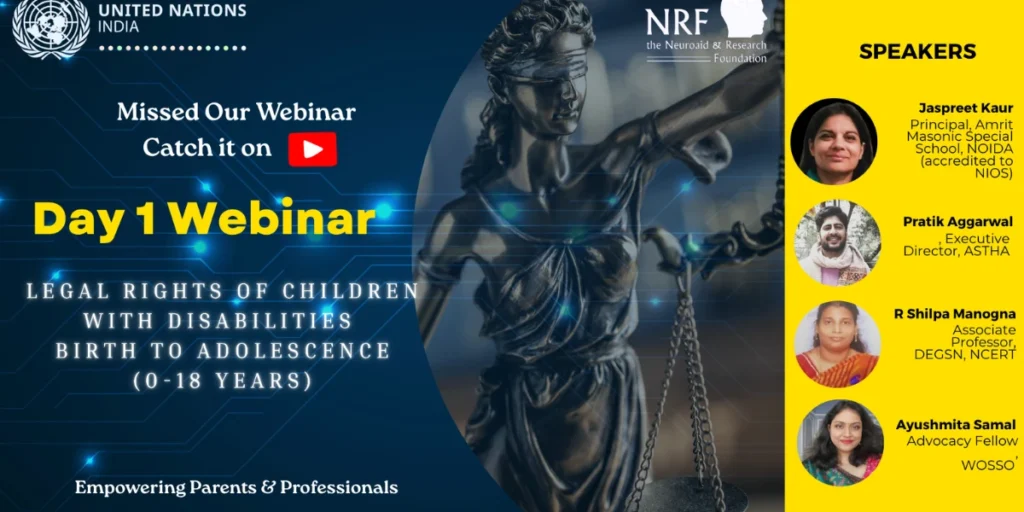
The Neuroaid and Research Foundation (NRF) conducted a 2-day pan-India webinar on 8th and 22nd February 2025, on the legal rights of children with disabilities across their lifespan, in collaboration with the United Nations India. The event was supported by National Institute of Open Schooling (NIOS) and All-India Occupational Therapists Association (AIOTA), as key partners. Through expert-led discussions, real-life experiences, and interactive engagement, the webinar aimed to enlighten and bridge knowledge gaps among parents, educators, and healthcare professionals, ensuring the children with disabilities could access support and resources to which they are rightfully entitled.
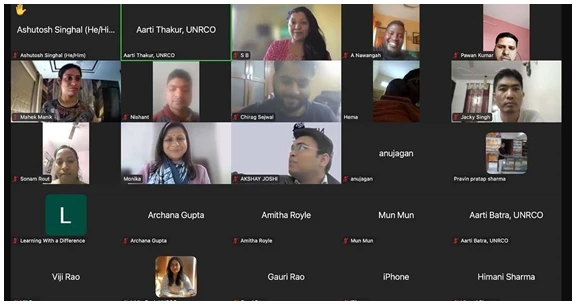
Many children with disabilities remain underserved due to a lack of awareness about legal protections, entitlements, and available services. This webinar equipped families, educators, and advocates with a comprehensive understanding of key legal frameworks, resources, and rights, with a special focus on the Convention on the Rights of Persons with Disabilities (CRPD) and the Rights of Persons with Disabilities (RPwD) Act, 2016.
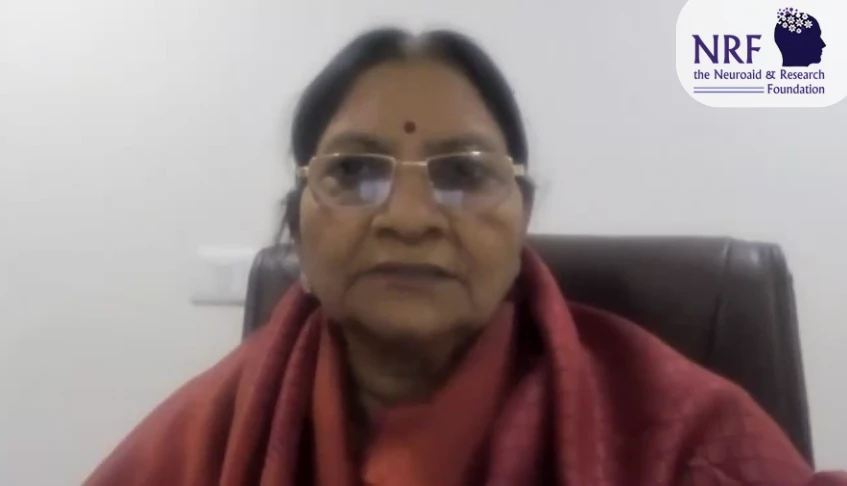
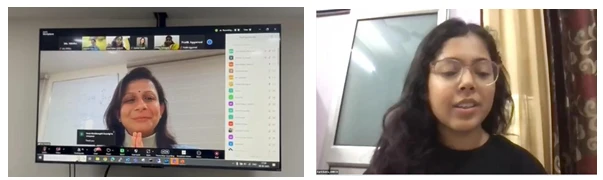
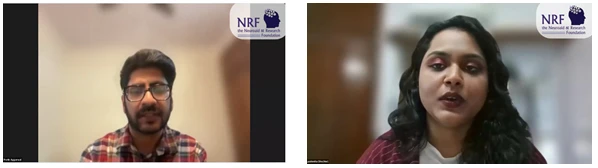
The first day of the webinar focused on the theme of Birth to Adolescence (0-18 Years). The panel of experts including Mr. Pratik Aggarwal (Executive Director, ASTHA) and Ms. Ayushmita Samal (Advocacy Fellow at WOSSO and MEAL expert with extensive experience in Disability Certification Research), highlighted the importance of different types of disabilities and the importance of early identification, intervention, and access to the government schemes like Rashtriya Bal Swasthya Karyakram (RBSK) and Integrated Child Development Services (ICDS). A key discussion revolved around the process of obtaining a Unique Disability ID (UDID) and a disability certificate, which are essential for accessing government benefits, educational provisions, and healthcare services.
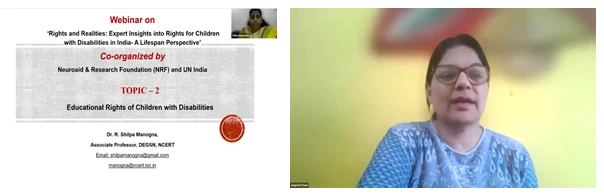
Another session led by Dr. Shilpa R. Manogna (Associate Professor, DEGSN, NCERT) and Ms. Jaspreet Kaur (Principal, Amrit Masonic Special School, NOIDA, accredited to NIOS) highlighted the mainstreaming challenges such as a lack of inclusive infrastructure and trained educators in schools, that the children with disabilities face. The session also explored the provisions available under NIOS, which play a crucial role in offering flexible and accessible education for children with disabilities. Legal discourses surrounding inclusive education policies, the Right to Education (RTE) Act, and disability rights laws were also discussed in detail.
The second day of the webinar covered the age group Adulthood and beyond (18+ Years), emphasizing Inclusive Employment Rights and Legal Rights from Policy to Implementation. Experts highlighted the personal rights, ensuring that individuals with disabilities have access to equal opportunities, decision-making regarding marriage, family, and protection from discrimination. Day 2 session saw the participation of two sign language interpreters to facilitate easy understanding by persons with hearing impairment. A key highlight was the discussion on employment rights, where Mr Rajasekharan Pazhaniaappan (Co-Founder, V-Shesh) shed light on workplace inclusivity, reasonable accommodations, and legal frameworks such as the Rights of Persons with Disabilities (RPwD) Act, 2016. The conversation also touched upon the challenges individuals with disabilities face while seeking employment and the measures that organizations and policymakers can implement to create an inclusive workforce.
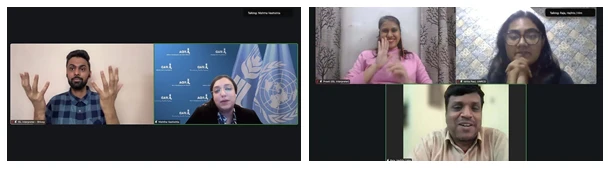
The webinar also explored inheritance rights, addressing concerns around financial security and property ownership for individuals with disabilities. Legal expert Mr Rahul Bajaj (Co-Founder and Director, Mission Accessibility) discussed the rights of persons with disabilities to inherit property and the need for legal guardianship provisions where required. This session also focused on old age legal rights, highlighting issues such as healthcare access, and support systems available to elderly individuals with disabilities.
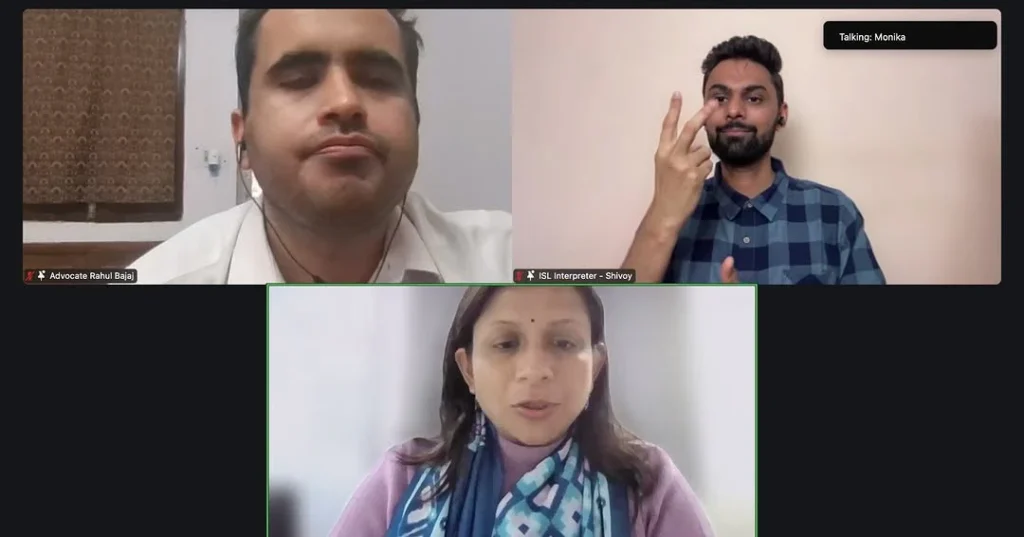
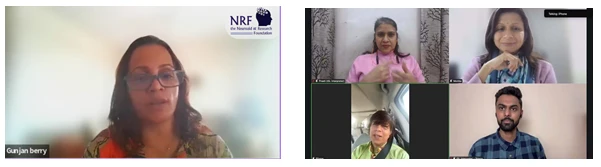
The presence of distinguished speakers from United Nations, NCERT, NIOS, and various other organizations added immense value to the discussions. Their expertise helped participants understand the legal landscape and the practical aspects of implementing these rights in everyday life. To encourage active participation, pre- and post-webinar questionnaires were shared with participants, allowing them to assess their understanding of disability laws and provisions. This interactive approach helped keep the audience engaged.
One of the most impactful moments of the webinar was the parents of children with disabilities sharing their stories, which provided firsthand insight into the challenges they face while navigating the legal system, accessing education, and advocating for their children’s rights. Their journeys of resilience and determination served as an inspiration to all participants, reinforcing the importance of legal awareness and community support.
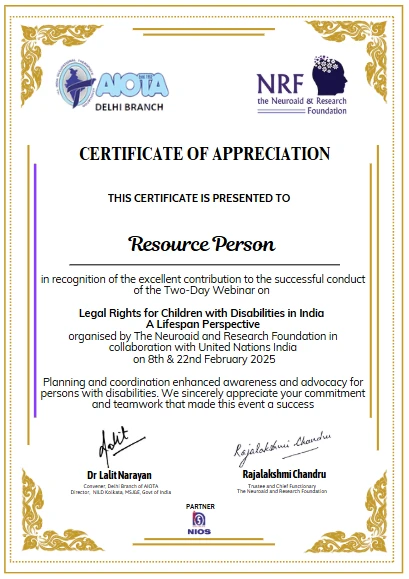
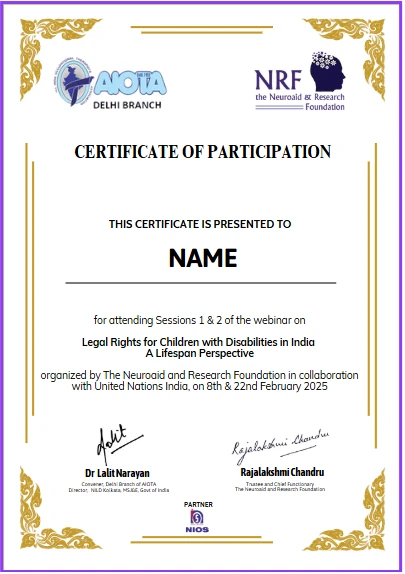
To acknowledge the participation and contributions, certificates were awarded to all participants and resource persons, acknowledging their commitment to learning and advocacy for disability rights. In addition, a comprehensive handbook has been compiled, featuring key legal references, essential resources, and important links related to disability rights across the lifespan. This valuable resource will soon be shared with participants, providing an ongoing guide to help families, educators, and professionals navigate disability laws and access support systems more effectively.
The two-day webinar served as an important step towards spreading awareness and promoting inclusivity for individuals with disabilities. By educating parents, educators, professionals, and policymakers about legal rights, available provisions, and real-life challenges, the event contributed to building a more informed and empowered society. As the conversation around disability rights continues to grow, such initiatives play a crucial role in bridging knowledge gaps and ensuring that individuals with disabilities receive the support and recognition they deserve. Advocacy, legal literacy, and community engagement remain key drivers in creating an inclusive future where every individual, regardless of ability, has equal opportunities and access to their rights.
This webinar was more than just a discussion—it was a call to action for a more inclusive, legally empowered society.